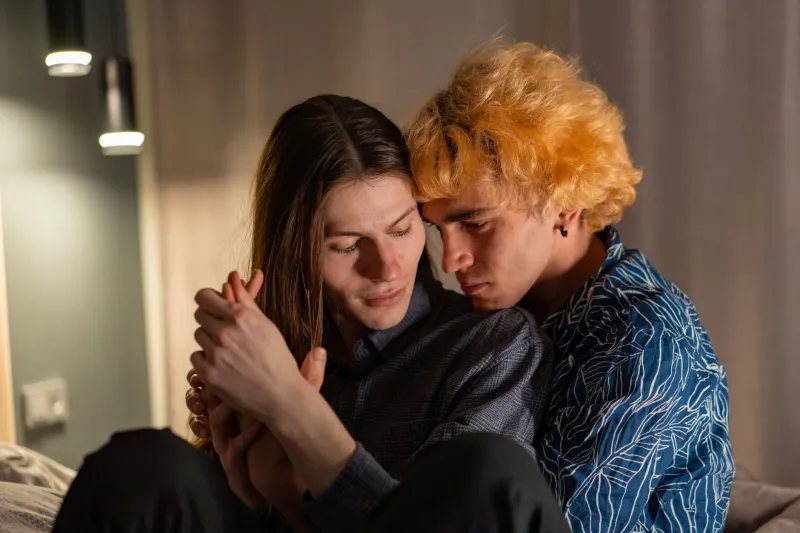
The Thing You Keep Hiding Might Be the Thing That Finally Connects You
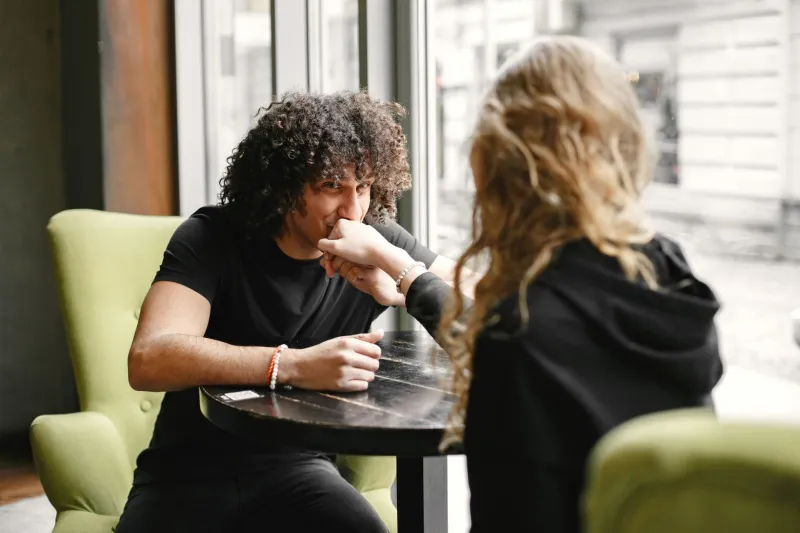
There's a version of yourself you present to the world on a first date. Polished. Confident. Casually mentioning the promotion but definitely not mentioning the credit card debt. You laugh easily, reference that trip to Portugal, and keep the conversation light enough that nobody has to feel anything too heavy too soon.
And then you go home, peel off the performance, and wonder why it still feels lonely.
Here's the uncomfortable truth: the parts of yourself you're most determined to hide are often the parts that, when finally shared with the right person at the right moment, create the kind of bond that actually lasts. That's not just a feel-good idea. There's something almost paradoxical happening in real relationships — the very insecurities you think will push people away are frequently the ones that pull them closer.
Why We Hide the Good Stuff
We've been trained, in a thousand subtle ways, to lead with strength. Dating culture in the US especially rewards confidence, ambition, and ease. Nobody's Pinterest board is titled "My Complicated Feelings About Money" or "Things I'm Still Healing From."
So we bury it. The anxiety about being 34 and not owning a home when it feels like everyone else does. The divorce that still stings even though it was three years ago. The career pivot that felt brave from the inside but looks like instability from the outside.
The problem is that hiding these things doesn't just protect you — it also insulates you. When you only show the curated version of yourself, you're essentially asking someone to fall for a character rather than a person. And deep down, you know it. Which is probably why even the most successful dates can leave you feeling vaguely empty.
What Actually Happens When You Let It Out
Take Marcus and Jenna, who met through mutual friends in Chicago. On their third date, Marcus — who'd been laid off six months earlier and was freelancing while trying to figure out his next move — finally admitted he wasn't in the stable career place he'd implied. He almost didn't say it. He'd been managing the narrative carefully, keeping things vague.
Jenna's response? Relief. She'd been carrying her own version of the same fear — she'd just moved back in with her parents after a breakup that had derailed her financially. Neither of them had planned to go there so soon. But once it was out, something shifted. The conversation stopped being a performance and started being a conversation.
They've been together for two years.
This isn't a fluke. When someone reveals a genuine struggle — not as a trauma dump, but as an honest moment of this is real life — it creates what psychologists call "perceived similarity." We bond over shared vulnerability far more than over shared success. Hearing someone admit they're scared of something you're also scared of doesn't make you like them less. It makes you trust them more.
The Difference Between Authentic and Overwhelming
Now, none of this means you should lead with your therapy notes on a first date. Timing and context matter enormously, and there's a real distinction between vulnerability that connects and oversharing that burdens.
A useful way to think about it: early dates are for curiosity, not confession. You're figuring out whether there's something worth building. You don't need to reveal your deepest wounds on date two — but you also don't need to actively construct a false image.
The sweet spot tends to show up somewhere in the middle stage of dating, when you've established enough comfort that honesty feels like trust rather than desperation. That's when a passing mention of "I've been working through some stuff since my last relationship" or "I'm in a bit of a transitional phase career-wise" can land as genuine rather than alarming.
A few markers that it might be the right moment:
- The conversation has already gone somewhere real, not just surface-level
- You feel curious about them, not just eager to impress them
- You're sharing because it's true, not because you want sympathy
- You're ready for their reaction — whatever it is
The Insecurity That Becomes the Magnet
Some of the most magnetic qualities in a partner are ones that started as wounds. The person who grew up with financial instability and developed an incredible awareness of how to stretch a dollar. The person who went through a painful breakup and came out the other side with a clarity about what they actually need. The late bloomer who spent years feeling behind and built a rich interior life in the process.
None of those things are liabilities. They're texture. They're depth. They're the stuff that makes someone interesting rather than just impressive.
When you've spent years feeling like you're somehow behind — whether that's in your career, your relationship timeline, your financial situation, or just your general sense of having it together — it's easy to see that gap as proof that you're not ready for love yet. Like you need to resolve the thing before you can be worthy of connection.
But that's backwards. The people who've been through something, who carry a little uncertainty, who aren't perfectly assembled — those are often the people with the most capacity for real intimacy. Because they've already learned that the polished version of life doesn't protect you from anything.
A Framework for Sharing Without Oversharing
If you're not sure how to start letting the real stuff through, here's a simple approach:
Start small. You don't have to go deep all at once. Mention something genuine and low-stakes — a minor fear, a small uncertainty. See how they respond. Are they curious? Do they share something back? That exchange is data.
Watch for reciprocity. Healthy vulnerability tends to be mutual. If you open up a little and they immediately change the subject or one-up you with their own story, pay attention to that. Connection requires both people to be willing to go there.
Let the reaction inform you. How someone responds to your honesty tells you a lot about who they are. Discomfort, judgment, or dismissal are worth noting. Genuine curiosity and warmth? That's what you're looking for.
Don't perform vulnerability. There's a version of oversharing that's actually just a bid for reassurance — dropping something heavy and waiting to be told it's okay. That's different from simply being honest. The goal isn't to test them. It's to let them actually meet you.
You Don't Have to Be Fixed to Be Lovable
Maybe the most important reframe here is this: you don't have to have resolved your insecurities before you deserve love. You don't have to be financially sorted, emotionally healed, or fully figured out before someone can genuinely choose you.
The right connection doesn't happen between two perfect people. It happens between two honest ones.
The thing you've been hiding? It's not a dealbreaker waiting to be discovered. It might just be the most human thing about you — and the exact thing that makes someone feel like they've finally found a real person in a sea of highlight reels.
Let them see it. Not all at once. Not as a test. Just... eventually. Because the version of you that's a little scared, a little uncertain, and still showing up anyway? That's actually the most magnetic version there is.